







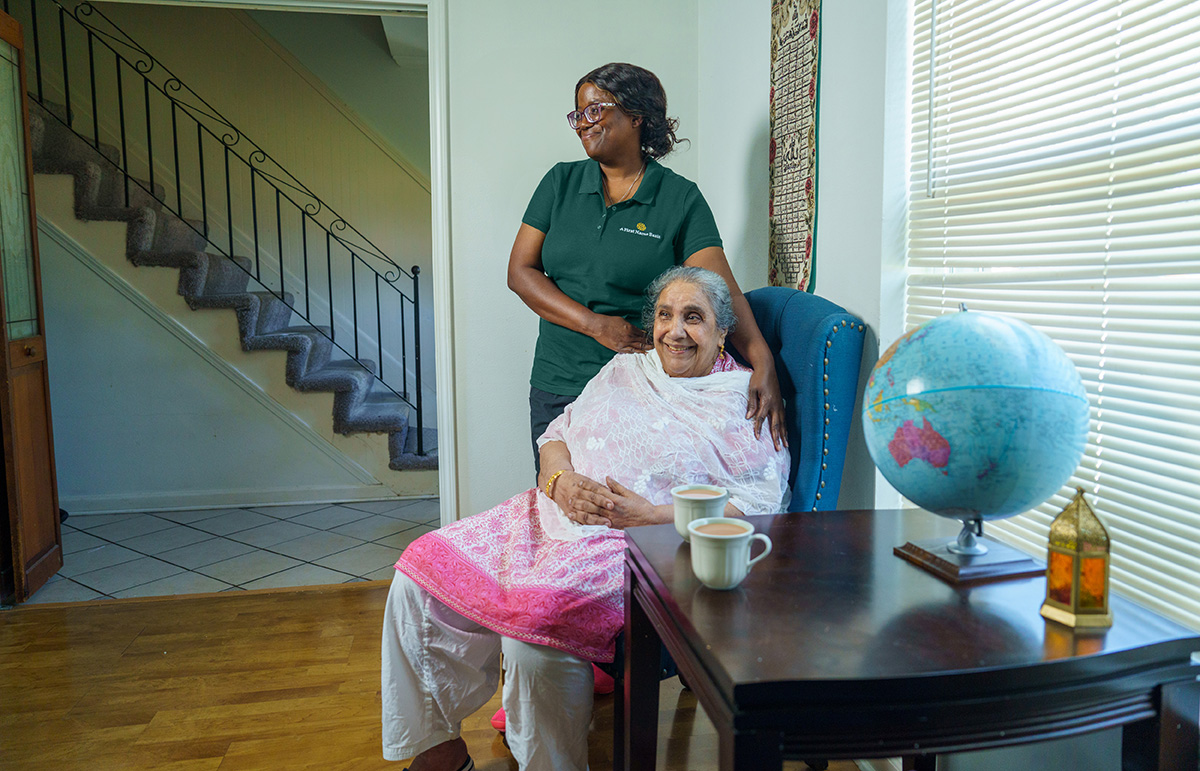

Caring for someone you love is incredibly rewarding, but it comes with challenges. Let’s talk about some essential skills every caregiver should learn to provide quality care while protecting their well-being. Whether you’re a professional caregiver or a family member stepping into the role, mastering these skills ensures a safer, more supportive environment and boosts the quality of life for both you and your loved one.
Why Caregiver Skills Matter
You play a crucial role as a caregiver. When someone is receiving care, they depend on your ability to adapt, observe, and communicate. A successful caregiver blends practical skills with empathy. That means mastering daily routines, staying organized, building trusting relationships, and confronting unexpected situations with confident problem-solving.
6 Essential Skills Every Caregiver Should Learn
Let’s explore the essential skills every caregiver should learn and how mastering them can improve confidence, reduce stress, and ensure better outcomes for everyone involved.
Observation and Awareness
One of the top caregiver skills is sharp observational skills. You need to notice subtle health changes, mood shifts, or environmental hazards. For instance, spotting a new bruise or limp could signal a fall risk, while a sudden change in appetite might hint at an underlying illness. This keen attention supports improving the quality of care and preventing emergencies.
Strong Communication Skills
One of the most essential skills is good communication. Caregiving requires effective communication with doctors, family, and the person you care for. Effective communication avoids misunderstandings, keeps everyone informed, and helps maintain dignity. That includes:
Speaking clearly and professionally with your loved one
Actively listening to what they say
Sharing updates with medical staff or care services providers
Expressing empathy without losing clarity
This two-way dialogue builds trust and ensures everyone’s needs are met.
Time Management & Organization
Living with structure is essential in home care. Effective time management and organization ensure routines run smoothly—meals, medication, hygiene, and appointments—so nothing gets overlooked. For caregivers, using calendars, checklists, or reminders prevents missed doses or late meals. This organization reduces stress and enhances the quality of care delivery.
Problem Solving Skills in Daily Challenges
Unexpected issues will arise, especially when caring for someone with changing needs. Problem-solving skills are essential. Whether dealing with a sudden fall, missed medication, or a frustrating emotional moment, you need to react calmly:
Assess risks quickly
Choose a reasonable action plan
Consult professionals if needed
Reflect on when to adjust routines
Solving problems confidently under pressure protects your loved one’s well-being and prevents small issues from escalating into larger crises.