






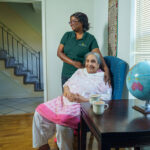


If you’re considering a career in care giving or planning to care for a loved one, you might wonder: Is certification required to become a caregiver? The short answer is – certification in Illinois depends on the type of care and setting. Understanding training requirement and state requirements helps you decide whether to pursue a caregiver certification course or not.
Let’s explore roles from personal care aides (home care aides) to certified nursing assistants, check necessary training and certification, and learn how this affects your career advancement or family caregiving journey in Illinois.
Different Caregiver Roles in Illinois
Illinois offers several caregiver paths, each with different training requirements:
Home Care aids (HCAs) in Illinois provide non-medical support such as help with bathing, dressing, housekeeping, and meal preparation. Those working under the Community Care Program (CCP), like those at Home Care Powered by AUAF, must complete a state-approved 24-hour pre-service training program and 12 hours of annual in-service education.
Home health aides (HHAs) offer basic healthcare under nurse supervision. They require 120 hours of training and must pass a competency test.
Certified nursing assistants (CNAs) work in nursing homes, assisted living, and hospitals. They need 120 hours of training (80 theory, 40 clinical), a written and skills test, and listing on the Illinois Nurse Aide Registry.
When Certification Matters
So, is certification required to become a caregiver? It depends:
If you’re a family caregiver helping a relative at home, Illinois’s Community Care Program allows you to get paid without CNA or HHA credentials. You do need certain training and meet eligibility rules.
To work for a home service or home health agency, you must meet their training program specifications: 120 hours for HHAs or CNAs, or 24-hour PCA training, depending on the service
In nursing homes and hospitals, only CNAs or licensed professionals can provide hands-on nursing care.
Education & Continuing Requirements
Most roles need a high school diploma or GED. Some HCA or family caregiver positions don’t require it, but CNAs and HHAs usually do.
Illinois also mandates continuing education. HCA training includes annual courses (e.g., Alzheimer’s, safety), while HHAs must complete ongoing in-service training and renewals.