






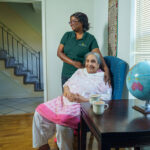


Ageing is often notorious for imposing several health conditions; sometimes, it requires hospitalisation. Older adults’ health conditions can range from mild infections to severe illnesses. After hospitals treat senior citizens for their condition, they discharge them, advising regular visits. There is a specific phase after the hospital discharge and going home that requires special care, which is critical for their mental and physical recovery post-hospitalization. This phase is known as Transition Care. Transition care for older adults refers to the specialised care and support that is provided to seniors as they move from one healthcare environment to another that helps the patient regain functional self-sufficiency and complete recovery. This can include transitioning from a hospital to a rehabilitation facility, from a nursing home to an assisted living facility, or from in-home care to a higher level of care.
Transition care aims to ensure a smooth and safe transition for older adults while also addressing their individual needs and preferences. This may include coordinating and communicating with healthcare providers, providing specialised therapy and rehabilitation services, and helping seniors adjust to their new living situation. Another important aspect of transition care is supporting and educating older adults and their families. This can include helping them understand the different levels of care available and assisting with the decision-making process.
The critical aspect of transition care is ensuring continuity of care. If a transition is mismanaged, it can lead to stress for both patients and their caregivers. After leaving a speciality care setting, older patients may need to learn how to navigate the uncertainties of a newer environment and manage their healthcare conditions or whom to call if they have a question or if their condition worsens. Transitional care also means working with a comprehensive plan for care, which includes the patients’ preferences or personal goals in one setting, the logistical arrangements, and coordination between the patient and the healthcare professional. Healthcare providers work together to ensure that the older adult’s treatment plan is followed and that their healthcare needs are met. This can include coordinating with primary care physicians, specialists, and other healthcare providers to ensure that the older adult receives the appropriate care and support.
Continuity of health care or Continuum care is a type of healthcare delivery model that focuses on providing a seamless, coordinated, and comprehensive range of services to meet the changing needs of older adults as they age. The goal of continuum care is to provide older adults with the right level of care at the right time and in the right setting to help them maintain their independence, health, and quality of life.
A continuum of care typically includes a range of services that are tailored to meet the unique needs of each older adult. This may include services such as:
Independent Living:
This type of housing is designed for older adults who can live independently but may require assistance with daily living activities such as cooking, cleaning, and transportation.
Assisted Living:
This type of housing is meant for older adults who need assistance with activities of daily living but do not require the level of care provided in a nursing home.
Nursing Care:
This type of care is provided in a nursing home for older adults who need round-the-clock medical attention and assistance with activities of daily living.
Hospice Care: This type of care is provided to older adults who have a terminal illness and are nearing the end of their lives. The focus is on providing comfort and support rather than curative treatment.
Home Health Care:
This type of care is provided to older adults who are recovering from an illness or injury and need assistance with activities of daily living and medical care in the comfort of their own homes.